CASE STUDIES / officeFlagship campus designs out 66% of its waste a year

Challenge
A global bank was opening a flagship city-centre campus and wanted it to be a lighthouse site for sustainable workplaces — with waste included, not left out.
Serviced conventionally, the building would have produced around 1,100 tonnes of waste a year, consumed 170,000 bin liners and 3,200 hours of labour, and cost over £300,000 a year to run. The building's design also left almost no back-of-house space for waste, so a bigger bin store was never an option.
What we did
We mapped fifteen touchpoints across the employee working day — arriving, eating, drinking, washrooms, meetings, desk work — covering around 95% of everything the campus would generate, and solved each of the 243 waste streams that surfaced.
Nearly two thirds were designed out, reduced or replaced with reusables before recycling was considered at all.
Eighteen bins per floor were replaced with a single resource hub beside the coffee point. Disposable cups, sachets and packaged snacks went; reusable crockery, refillables and on-site composting came in. A supplier charter backhauled transit packaging, and every change had to improve the workplace rather than police it. We also installed an onsite composter and worked with local charities to redistribute compost and food.
The resultsZero waste status achieved and 66% of waste avoided.
The strategy was implemented in full and the site reached zero waste status — a first for the client's estate. Forecast waste fell to 374 tonnes a year, a 66% reduction, at roughly 0.725 kg per person per week: about a fifth of the client's benchmark across its other buildings.
Service costs fell by around 60%, with the saving redeployed into the workplace itself. Six years on, the model still sets the standard for what a corporate campus can do.
Want results like this for your organisation?
Book a Waste Open Day and see what's really in your waste.
More case studies
-
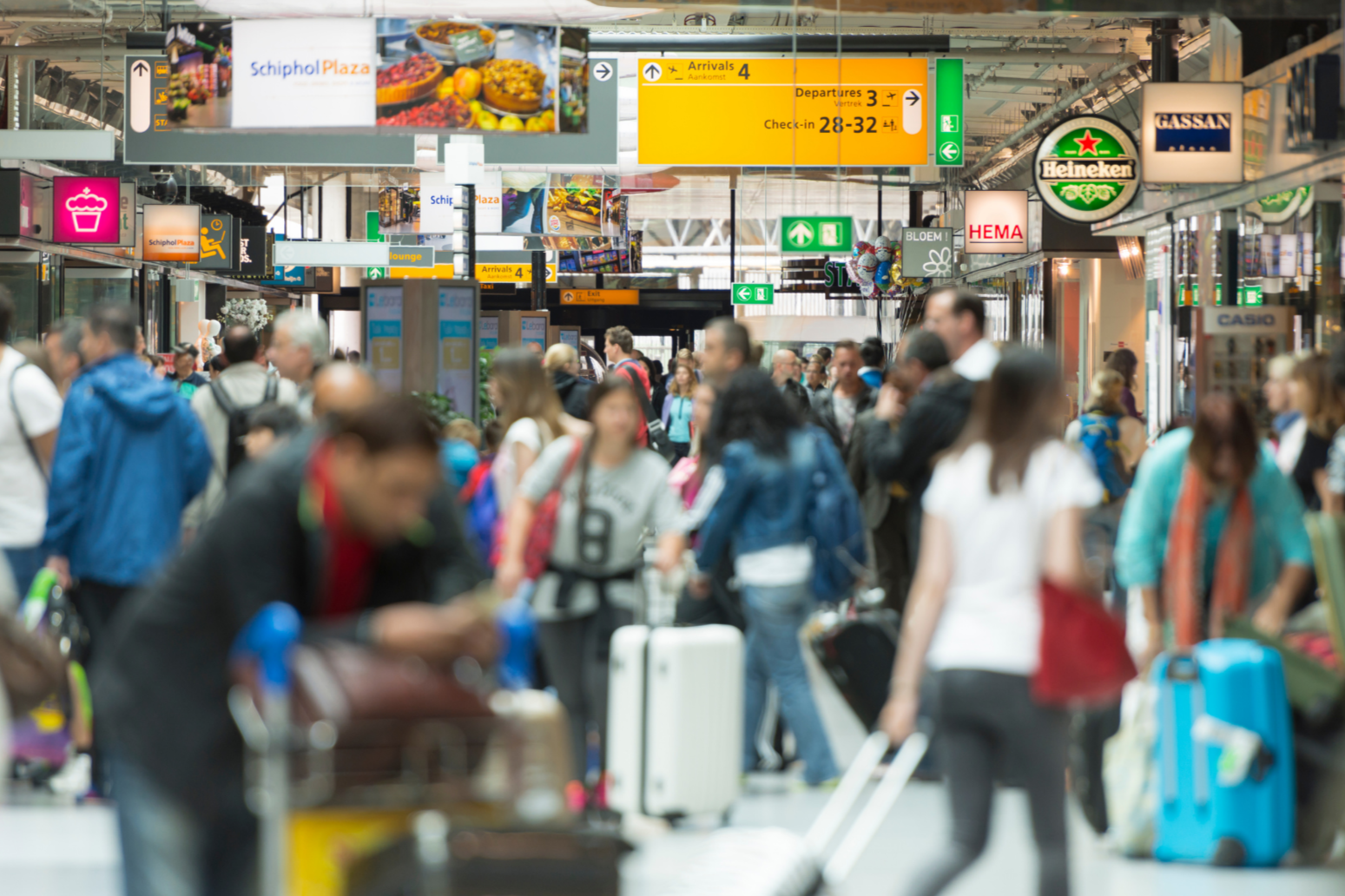
![Crowd of travelers at an airport terminal with signs for arrivals, departures, check-in, and shops such as Heineken and Gassan.]()
Cutting airport waste through tenant engagement
Transport
-
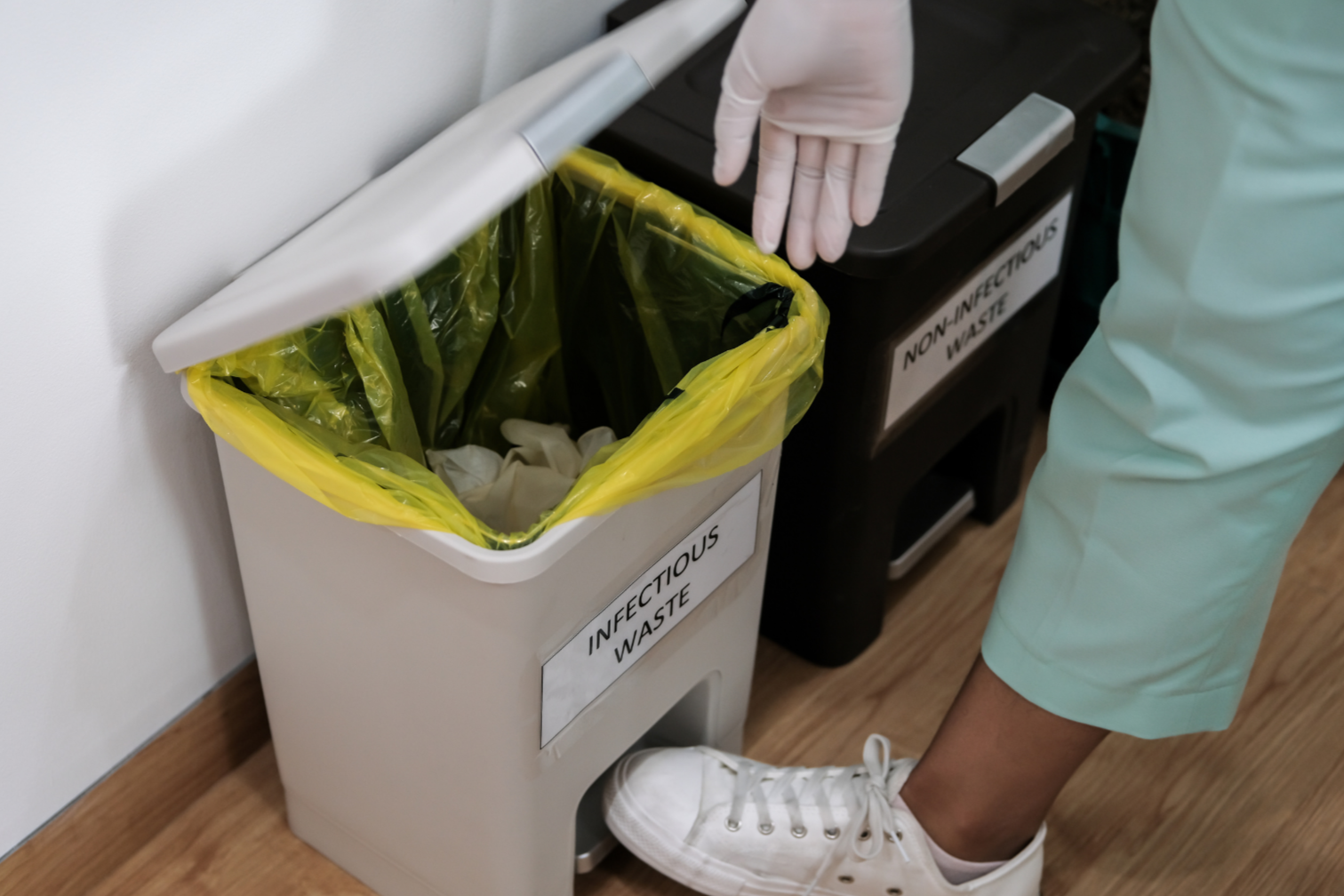
![A person disposing of medical gloves into a yellow-lined infectious waste trash bin, wearing white sneakers and light green scrubs, near a black non-infectious waste bin.]()
Reducing hazardous waste, saving £200k a year
Healthcare
-
![]()
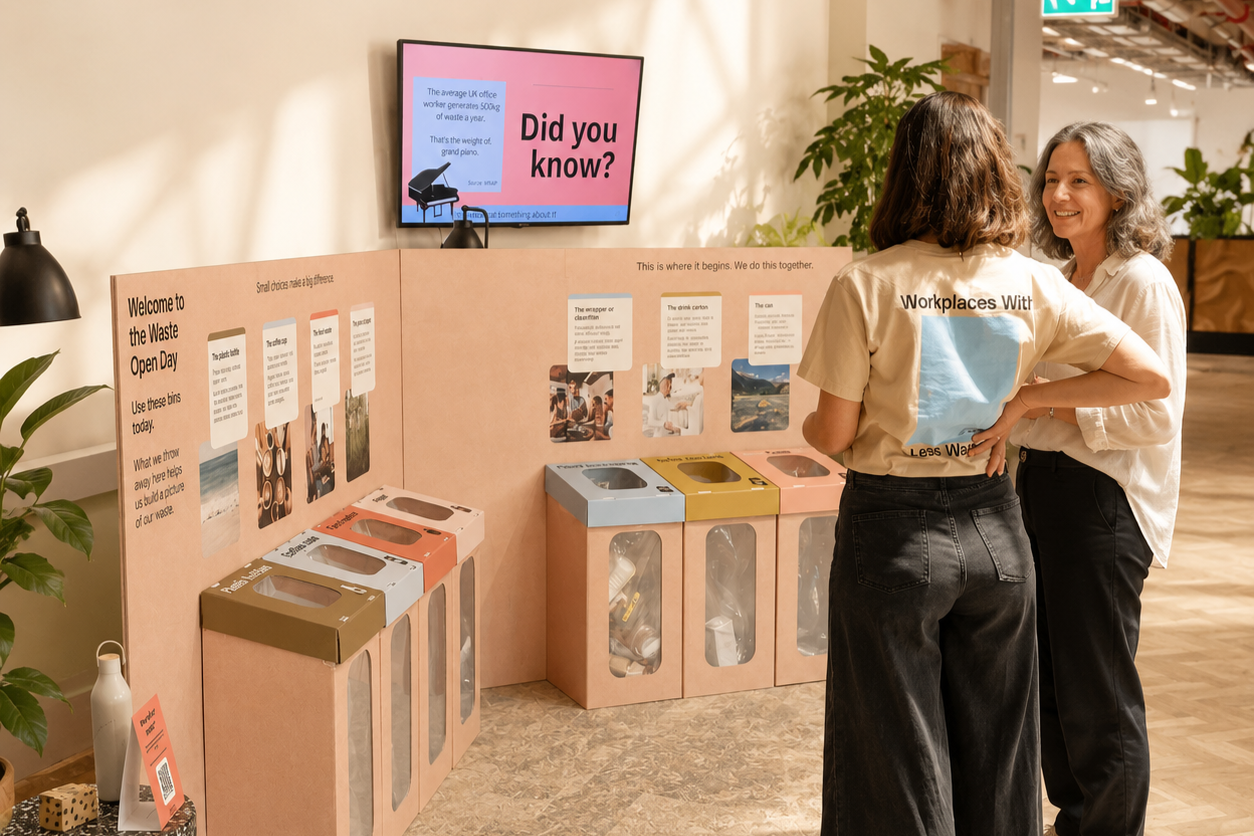
Waste Open Day identifies ~£8,500 in annual waste costs
Office
-
![A person discards a plastic water bottle into a yellow recycling bin labeled 'PLASTIC' in an office or conference room setting.]()
Multi-site waste audit reveals 49% recycling potential
Office